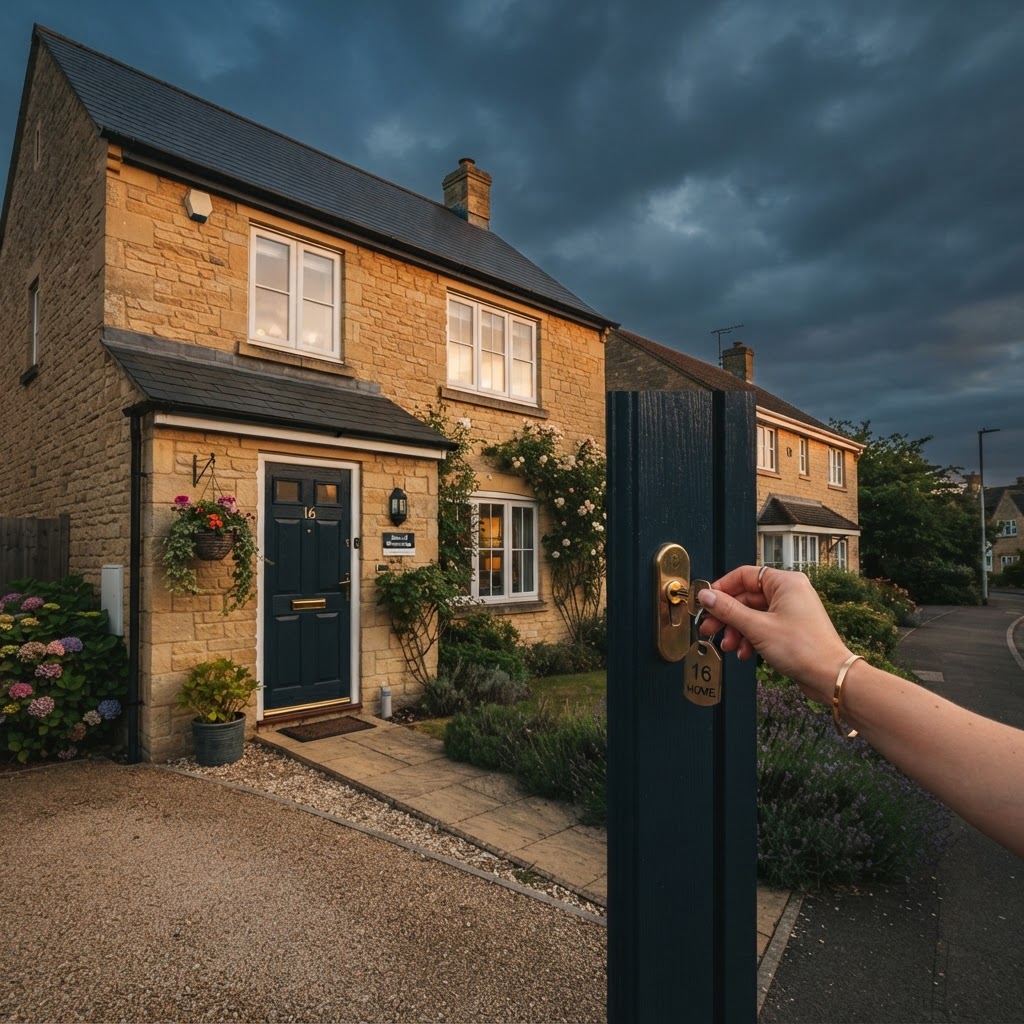
Step onto the property ladder gradually
Shared Ownership
Shared Ownership lets you buy a share of a property (typically 25–75%) and pay a reduced rent on the remainder. It's a popular route for first-time buyers who can't afford a full deposit on the open market.
Tailored advice for your situation
How Shared Ownership works
Shared Ownership is a part-buy, part-rent scheme. You buy a share of a property — usually between 25% and 75% — with a mortgage, and pay a subsidised rent to a housing association on the share you don't own. Over time you can buy more shares, a process called staircasing.
Because your deposit is based on the share you're buying rather than the full property value, the upfront cost is much lower. A 5% deposit on a 25% share of a £300,000 home is £3,750 — far less than the £15,000 you'd need for a full purchase.
Eligibility and the right scheme for you
Shared Ownership is generally available to first-time buyers (or those who used to own a home but can't afford one now), with a household income below £80,000 (£90,000 in London). Some homes are reserved for people who live or work in the local area.
Not every Shared Ownership property is the same — some are new build, some are resales, and eligibility rules can differ. We'll check you qualify, explain the eligibility criteria, and help you understand the ongoing costs including rent, service charge, and mortgage payments.
Staircasing to full ownership
Staircasing means buying additional shares in your home over time, reducing the rent you pay and increasing the share you own. Most shared owners can eventually staircase to 100% ownership, though some rural properties have a cap.
Each time you staircase, the property is revalued and you buy the new share at its current market value. We can remortgage to fund a staircase purchase, and we'll explain the costs and process so you can plan your route to full ownership.
Common Questions
Based in Colchester. Helping clients across the UK.
Mortgage321 provides advice by phone, video and WhatsApp, so you don’t need to visit an office.
Want Matthew to look at your circumstances?
You don't need to work out which lender or mortgage route you need. Tell Matthew what you're trying to achieve and he'll identify what needs investigating.