Buying Your First Home: A 2026 Guide for UK Buyers
Ready to step onto the property ladder? Discover the essential steps, stamp duty rules, and deposit strategies for first-time buyers in the UK in 2026.
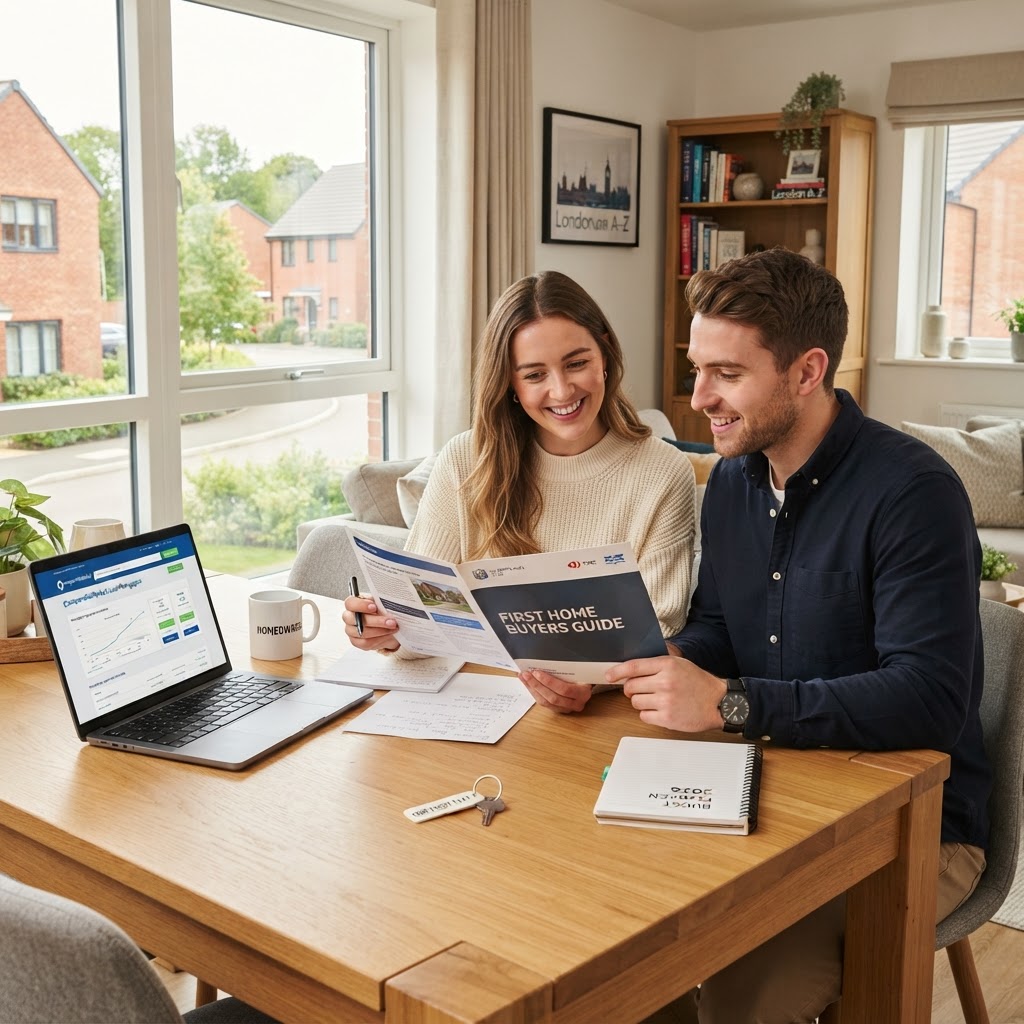
Buying Your First Home: A 2026 Guide for UK Buyers
Introduction: Taking Your First Step
Stepping onto the property ladder is a significant milestone, but the current housing market requires careful planning. With the Bank of England base rate at 3.75% as of July 2026, understanding your financial position is more important than ever. This guide covers the essential steps to help you navigate the buying process with confidence.
Whether you are saving for a deposit or ready to start viewings, preparation is key to success. We will explore the hidden costs, government schemes, and the importance of professional advice in today's economic climate. By breaking down the journey into manageable stages, you can move closer to securing your first home.
Understanding Your Buying Power
Before you start browsing property portals, you must establish a clear budget. While mortgage rates fluctuate, lenders currently offer a variety of products for first-time buyers, including options for those with smaller deposits. It is vital to look beyond the headline interest rate and consider the total cost of the mortgage, including product fees and valuation charges.
The Deposit and LTV Ratio
Your Loan-to-Value (LTV) ratio significantly impacts the rates available to you. While 95% LTV mortgages exist, saving a larger deposit can often unlock more competitive interest rates. As of September 2026, lenders are increasingly flexible, with some institutions offering specialized lending frameworks for first-time buyers with deposits as low as 2% to 5%.
Key Costs and Stamp Duty
Buying a home involves more than just the purchase price and your mortgage deposit. You must account for "hidden" costs such as conveyancing fees, survey costs, and potential moving expenses. Being prepared for these upfront costs prevents last-minute financial stress during the transaction.
- Stamp Duty Relief: In England and Northern Ireland, first-time buyers can benefit from specific relief. Currently, you pay 0% stamp duty on properties up to £300,000. For properties between £300,001 and £500,000, you pay 5% only on the portion above the £300,000 threshold.
- Conveyancing: Legal fees are a mandatory part of the process. Ensure you obtain a fixed-price quote early to avoid unexpected charges.
- Surveys: Never skip a property survey. A HomeBuyer Report or Building Survey can reveal structural issues that might cost thousands to repair later.
Practical Steps for Success
Preparation is the foundation of a smooth purchase. Start by gathering your financial documents, including proof of income, bank statements, and evidence of your deposit. Having these ready allows you to move quickly when you find the right property, which is essential in a competitive market.
Consider your long-term goals when choosing a mortgage term. While a 2-year fixed rate might offer lower initial payments, a 5-year fix provides greater stability against potential market volatility. Discussing these options with a qualified adviser ensures your mortgage aligns with your personal financial strategy.
Next Steps
Navigating the property market as a first-time buyer can feel overwhelming, but you do not have to do it alone. Whether you need help calculating your budget or want to explore the latest mortgage deals, our team is here to help. Chat with Molly or speak to one of our expert advisers today for personalized guidance tailored to your circumstances.
Important Notice: The information in this article is for general guidance only and does not constitute regulated financial advice. Mortgage rules and rates change frequently. Always consult with a qualified mortgage adviser who can assess your individual circumstances and provide personalised recommendations. Your home may be repossessed if you do not keep up repayments on your mortgage.

Important Notice
This article provides generic mortgage information only and does not constitute regulated financial advice. Mortgage decisions should be based on your personal circumstances. Always consult a qualified FCA-regulated adviser before making mortgage decisions.
Need Personalised Advice?
Chat with Molly for instant guidance, or speak to a qualified Mortgage321 adviser for tailored recommendations.