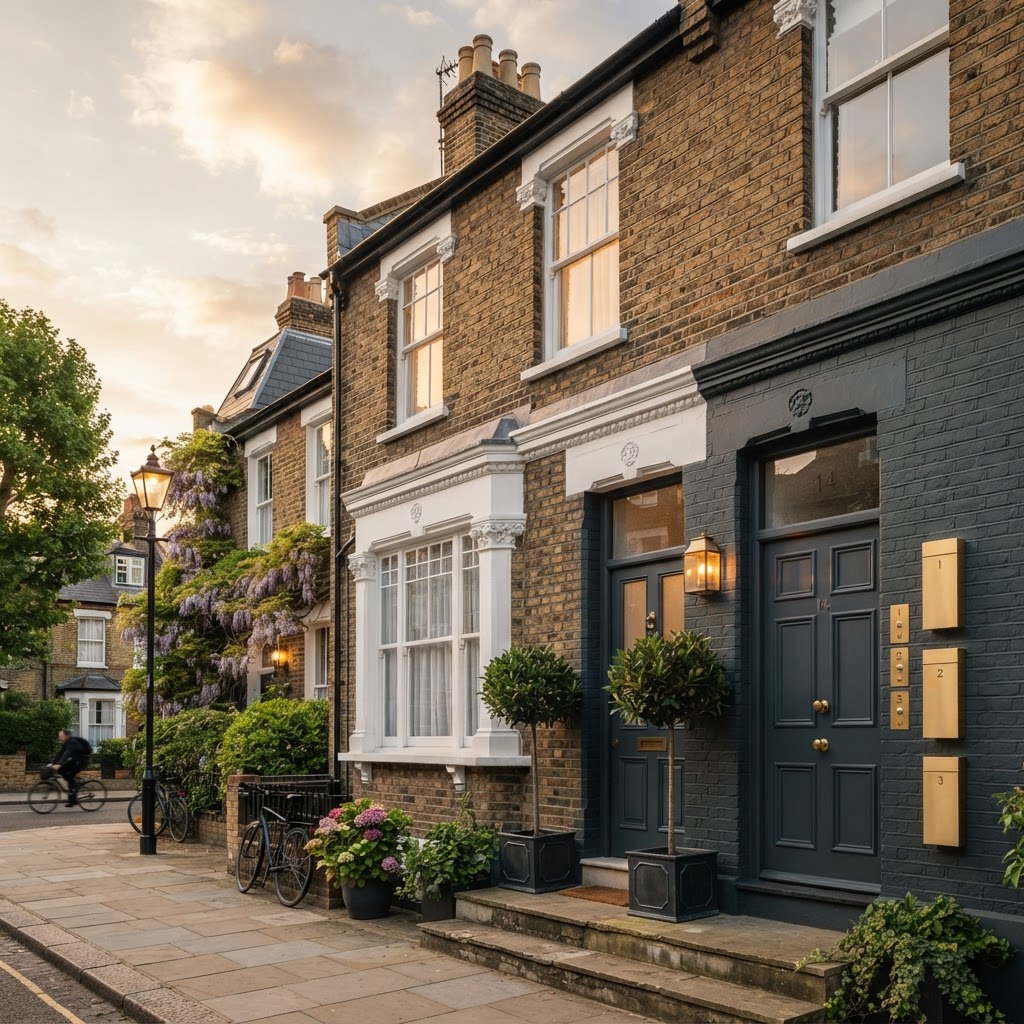
Houses in multiple occupation
HMO Finance
HMO properties can generate stronger rental yields than single lets — but they need a lender that understands HMO licensing, room-by-room rental assessment, and the higher deposit and rental-cover requirements that come with them.
HMO Deal Appraiser — will your deal recycle its capital?
Model your HMO conversion live: enter room rents, purchase and works costs, and see how the deal stacks up under both an optimistic investment valuation and a stressed lender one — before you commit.
- No sign-up needed
- Live figures as you type
- Send the deal to an adviser
Tailored advice for your situation
What counts as an HMO?
A House in Multiple Occupation (HMO) is a property rented to three or more people who aren't from the same household and who share facilities like a kitchen or bathroom. Larger HMOs (five or more occupants from two or more households) require a mandatory licence from the local authority, and some councils require additional licensing for smaller HMOs.
Not every lender will lend on an HMO, and some that do apply stricter criteria — higher deposit, higher rental cover, and limits on the number of occupants or tenancies. We work with specialist HMO lenders who understand the asset class and structure the borrowing correctly from the start.
How HMO rental income is assessed
HMO mortgages are usually assessed on the rental income the property generates as a whole, though some specialist lenders assess room-by-room (the "per-room" or "per-unit" method) which can show a higher income and support more borrowing where the HMO is fully let.
Rental cover requirements are typically higher than a standard BTL — often 125–145% of the mortgage payment at a notional rate — and deposits start at around 25%, sometimes higher for larger or licensed HMOs. We'll model the rental cover so you know what's achievable before you commit.
- Whole-property or room-by-room rental assessment
- Rental cover typically 125–145% at a notional rate
- Deposit usually from 25%, sometimes higher for larger HMOs
Licensing, planning and lender requirements
Lenders will want to know whether the property is licensed (or licensable), whether planning permission or Article 4 direction applies, and that the property meets HMO safety standards — fire doors, alarms, and adequate facilities. Some lenders require evidence of an HMO licence before they'll lend; others will lend on a property you intend to convert, subject to criteria.
We'll ask the right questions up front so the lender you approach is one that fits how the property is currently set up — and how you plan to run it — rather than discovering a problem at valuation.
Common Questions
Based in Colchester. Helping clients across the UK.
Mortgage321 provides advice by phone, video and WhatsApp, so you don’t need to visit an office.
Related Mortgage321 Cases
Want Matthew to look at your circumstances?
You don't need to work out which lender or mortgage route you need. Tell Matthew what you're trying to achieve and he'll identify what needs investigating.