Hidden Costs of Buying a Home: A 2026 Budgeting Guide
Don't let surprise fees derail your move. Discover the essential hidden costs of buying a house in the UK in 2026 beyond just your initial deposit.
Hidden Costs of Buying a Home: A 2026 Budgeting Guide
Introduction: Beyond the Deposit
Many prospective homeowners focus entirely on saving for their deposit, often overlooking the significant additional expenses involved in a property purchase. In the current 2026 market, failing to account for these extra costs can lead to unnecessary stress or even a collapsed sale. This guide breaks down the essential fees you need to budget for to ensure a smooth transition into your new home.
As a general rule of thumb, we advise our clients to set aside an additional 5% to 10% of the purchase price to cover these ancillary costs. While the deposit is your largest upfront payment, the "hidden" fees are what often catch buyers off guard during the conveyancing process. Understanding these early allows you to plan your finances with confidence.
Essential Transactional Fees
When you purchase a property, several professional services are required to ensure the legal and physical integrity of the home. These costs are unavoidable and should be factored into your initial budget before you even make an offer.
Legal and Administrative Costs
- Conveyancing Fees: You will need a solicitor or licensed conveyancer to handle the legal transfer of property. Expect to pay between £1,000 and £2,500 depending on the complexity of the transaction.
- Searches and Land Registry: Local authority, environmental, and drainage searches are essential to uncover potential issues with the property. These typically cost between £300 and £500.
- Mortgage Arrangement Fees: Many lenders charge a fee to secure a specific mortgage product. While some can be added to the loan, paying this upfront saves you interest over the long term; these often range from £999 to £1,999.
Property Surveys and Protection
Never rely solely on a lender’s valuation, as this is for the bank's benefit, not yours. Investing in your own survey is a critical step in identifying structural issues that could cost thousands to repair later.
- HomeBuyer Report: A mid-range survey suitable for most standard properties, costing roughly £400 to £800.
- Building Survey: Recommended for older or non-standard properties, this comprehensive check can cost £600 to £1,500+.
- Mortgage Protection Insurance: While not a direct buying cost, setting up life or critical illness cover is a vital part of your new home budget. Protecting your mortgage ensures your family can stay in the home should the unexpected happen.
Moving and Settling In
Once the legal work is complete, the final hurdle is the physical move and the immediate costs of making a house a home. These expenses are often underestimated but are essential for a comfortable start.
- Removal Costs: Depending on the volume of your belongings and the distance of your move, professional removal services can range from £500 to £2,000.
- Stamp Duty Land Tax (SDLT): Depending on the property price and your status, you may owe Stamp Duty. For example, properties priced between £300,001 and £500,000 incur a 5% charge on the value above the £300,000 threshold.
- Immediate Repairs and Furnishing: Always keep a contingency fund of at least £2,000 to £5,000 for immediate essentials like changing locks, basic repairs, or essential furniture that your previous home didn't require.
Practical Guidance for Your Budget
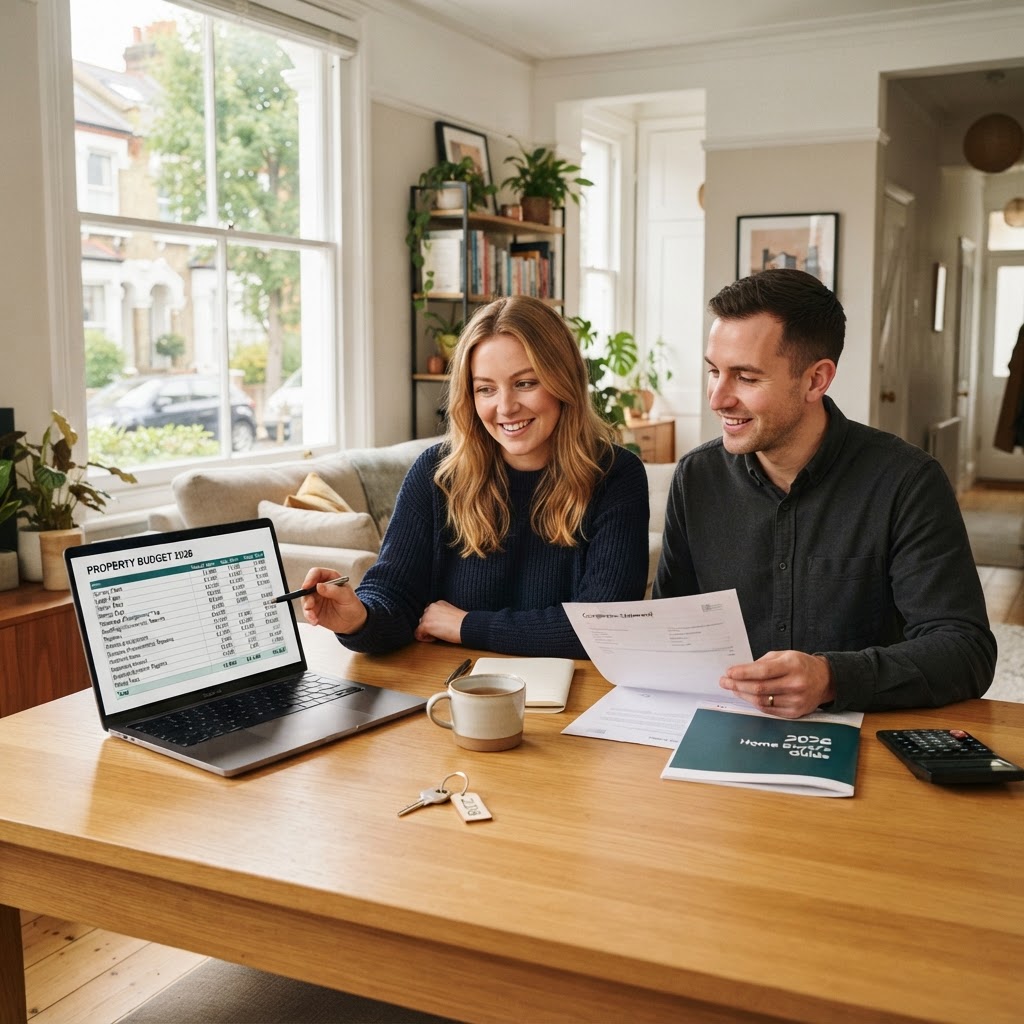
To manage these costs effectively, create a dedicated "moving spreadsheet" as soon as you start your property search. Categorise your savings into "Deposit" and "Transaction Costs" to ensure you don't accidentally dip into your legal fee fund for a higher offer.
If you are concerned about affordability, remember that some fees, such as mortgage arrangement fees, can sometimes be added to the loan balance. However, be aware that this increases the total amount of interest you pay over the life of the mortgage. Always aim to pay these fees upfront if your cash flow allows.
Next Steps
Navigating the financial landscape of buying a home can be complex, but you don't have to do it alone. If you want to ensure your budget is robust and ready for the current market, chat with Molly or speak to one of our expert advisers today. We can help you calculate your total costs and find the right mortgage product for your specific situation.
Important Notice: The information in this article is for general guidance only and does not constitute regulated financial advice. Mortgage rules and rates change frequently. Always consult with a qualified mortgage adviser who can assess your individual circumstances and provide personalised recommendations. Your home may be repossessed if you do not keep up repayments on your mortgage.

Important Notice
This article provides generic mortgage information only and does not constitute regulated financial advice. Mortgage decisions should be based on your personal circumstances. Always consult a qualified FCA-regulated adviser before making mortgage decisions.
Need Personalised Advice?
Chat with Molly for instant guidance, or speak to a qualified Mortgage321 adviser for tailored recommendations.