Understanding Property Surveys: A 2026 Buyer’s Guide
Confused by property surveys? Learn the difference between RICS Level 2 and Level 3 reports to protect your investment and avoid hidden costs in 2026.
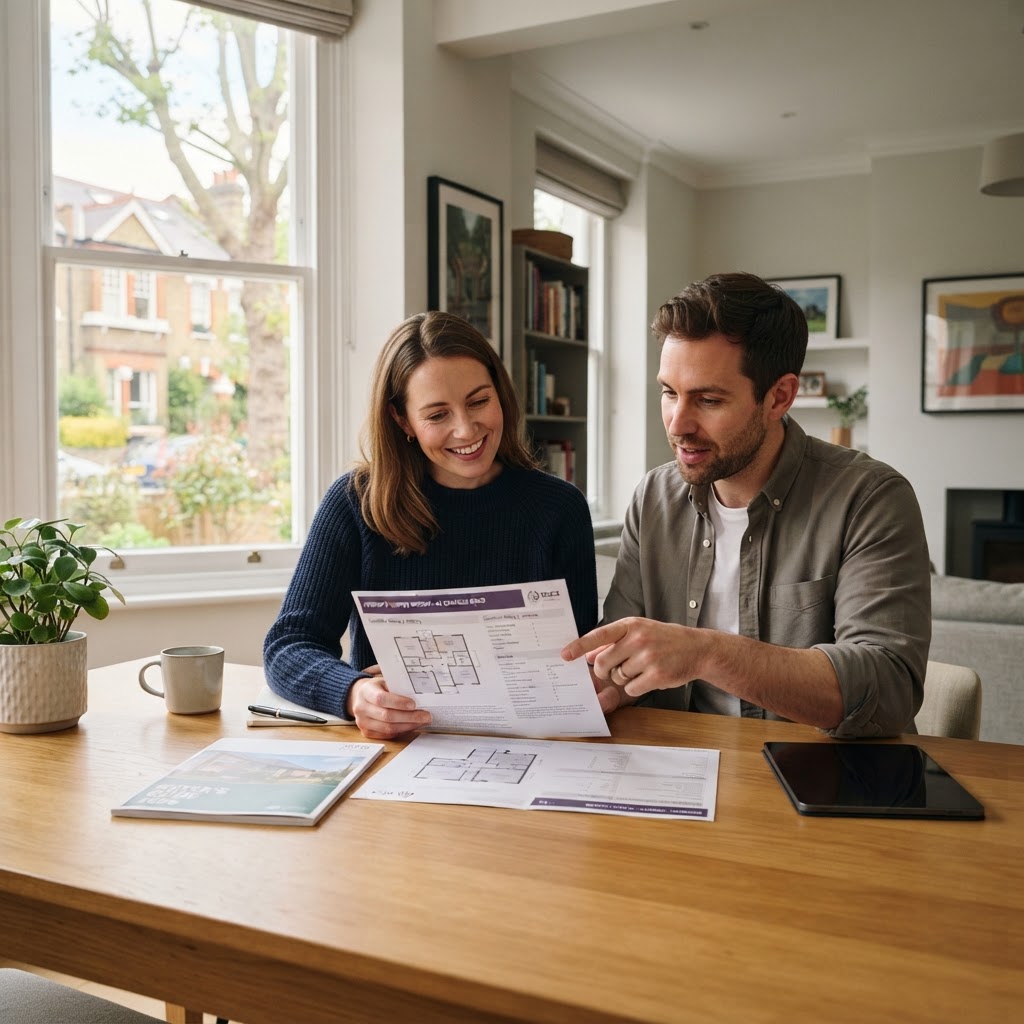
Understanding Property Surveys: A 2026 Buyer’s Guide
Introduction: Why a Survey is Your Best Defence
Buying a home is likely the largest financial commitment you will ever make. While a mortgage lender’s valuation confirms the property is worth the loan amount, it does not assess the actual condition of the building. A professional property survey provides the peace of mind you need to proceed with confidence.
In the current 2026 market, where property maintenance and energy efficiency are increasingly important, understanding what you are buying is vital. This guide breaks down the different types of RICS home surveys available. We will help you decide which level of inspection is right for your potential new home.
RICS Level 2: The HomeBuyer Report
Formally known as the HomeBuyer Report, the RICS Level 2 survey is the most popular choice for standard residential properties. It is designed for homes that are in a reasonable condition and were built using conventional methods. This survey uses a clear 'traffic light' system to highlight urgent repairs and potential structural issues.
What to expect from a Level 2 survey
- Visual inspection: The surveyor will examine all accessible areas of the property, including the roof space and cellar.
- Traffic light ratings: Issues are categorised by urgency, with red indicating serious defects that require immediate attention.
- Valuation and insurance: Many Level 2 reports include a market valuation and a reinstatement cost for building insurance purposes.
RICS Level 3: The Comprehensive Building Survey
If you are purchasing an older property, a listed building, or a home that has undergone significant renovations, a Level 3 Building Survey is essential. Previously known as a structural survey, this is the most detailed report available. It provides an in-depth analysis of the property’s construction and identifies potential long-term maintenance requirements.
When to choose a Level 3 survey
- Older properties: Homes built before 1900 often have unique structural quirks that require expert eyes.
- Renovation projects: If you plan to extend or alter the property, this survey highlights the current state of the foundations and walls.
- Peace of mind: For a relatively small cost—often just a few hundred pounds more than a Level 2 report—you gain a comprehensive understanding of the building's health.
Practical Guidance for Buyers
- Don't rely on the lender's valuation: Remember that the bank's valuation is for their benefit, not yours. It will not tell you if the roof needs replacing or if there is rising damp.
- Budget for the cost: While a survey is an additional upfront expense, it can save you thousands in the long run. Discovering a major defect before exchange allows you to renegotiate the price or request repairs.
- Choose the right surveyor: Always ensure your surveyor is RICS-qualified. This ensures they adhere to strict professional standards and have the necessary indemnity insurance.
Next Steps
Navigating the property buying process can be complex, but you don't have to do it alone. Whether you are a first-time buyer or moving up the ladder, our team is here to help you manage your budget and prepare for the costs of homeownership. Chat with Molly or speak to one of our expert advisers today to get personalized guidance for your 2026 property journey.
Important Notice: The information in this article is for general guidance only and does not constitute regulated financial advice. Mortgage rules and rates change frequently. Always consult with a qualified mortgage adviser who can assess your individual circumstances and provide personalised recommendations. Your home may be repossessed if you do not keep up repayments on your mortgage.

Important Notice
This article provides generic mortgage information only and does not constitute regulated financial advice. Mortgage decisions should be based on your personal circumstances. Always consult a qualified FCA-regulated adviser before making mortgage decisions.
Need Personalised Advice?
Chat with Molly for instant guidance, or speak to a qualified Mortgage321 adviser for tailored recommendations.